Homeowners in Middlefield ask this question every fall. Oil and propane costs climb. Electric rates wobble. Basements feel drafty. The idea of a quiet, efficient heat pump sounds good, but there is a nagging doubt: does a heat pump actually keep a Connecticut home warm on a January night when temperatures sit in the teens? The short answer is yes, if the equipment is sized and installed correctly for local conditions. The longer answer covers system type, cold-climate ratings, home insulation, electric rates, and how a reputable installer designs for real winter Direct Home Services heat pump installation loads in Middlefield, CT.
Direct Home Services has installed and serviced hundreds of heat pumps across central Connecticut. The team has seen what works, what disappoints, and what saves money. Here is a grounded look at performance, costs, and practical trade-offs for heat pump installation in Middlefield’s climate.

What a Heat Pump Actually Does in Cold Weather
A modern air-source heat pump moves heat from outside air into the home. Even in cold weather, there is heat energy in the air. The equipment captures it with refrigerant and compresses it to a useful indoor temperature. The older reputation of heat pumps came from units that struggled below 30°F. Today’s cold-climate models use variable-speed compressors, larger coils, smarter defrost cycles, and refrigerants that absorb heat more effectively at low ambient temperatures.
The key spec to look for is the HSPF2 rating for heating efficiency, along with the minimum outdoor temperature at which the system can maintain full capacity. Many cold-climate models maintain near-rated capacity down to 5°F and continue to produce heat well below zero, though with declining capacity. That capability matters in Middlefield, where winter lows often land in the teens and can dip below zero a few times each year.
Middlefield’s Winter Reality: How Cold Is “Cold”?
Middlefield sits in a part of Connecticut that sees about 6,000 heating degree days per year. Single-digit nights are not rare, but long stretches of subzero weather are unusual. Average January lows hover around 18–20°F. This is a sweet spot for high-quality, cold-climate heat pumps. They run efficiently most of the season and handle the worst nights with the right design. Homeowners coming from oil or propane often report steadier indoor comfort because variable-speed heat pumps modulate output rather than cycling on and off.
However, a heat pump’s real-world performance depends on house load. A tight, well-insulated Cape near Powder Ridge has a very different demand profile than a 1970s colonial off Main Street with original windows. A load calculation is not a guess. A proper Manual J determines the exact BTUs needed room by room at a design temperature, usually 5°F for this area. Skip this step and any system can disappoint.
Where Heat Pumps Shine on Costs
The economics hinge on what the homeowner is replacing. Oil and propane are expensive per delivered BTU. Even with Connecticut’s higher electric rates, a cold-climate heat pump often reduces total heating costs compared to oil or propane, especially if the home uses a lot of heat. Natural gas changes the math. If a home has access to gas and a high-efficiency furnace, the annual operating cost difference can be modest. In that case, many Middlefield homeowners choose a hybrid setup, keeping gas for the coldest days while a heat pump handles shoulder seasons and all cooling.
Typical numbers we see in the field:
- An older oil system at 80% efficiency costs the equivalent of roughly $30 to $40 per million BTUs, depending on oil price. A cold-climate heat pump can deliver heat in the $18 to $28 per million BTUs range at current Eversource rates. The spread widens when oil prices rise. Compared to propane, the savings are often larger, because propane prices swing widely and equipment efficiency is similar to oil or gas furnaces.
These are ranges, not promises. Real bills depend on house leakiness, thermostat behavior, and how the system is set up. A well-installed heat pump with outdoor reset curves and sensible thermostats avoids short cycling and keeps efficiency high.
Comfort: The Detail that Sells Skeptics
Oil furnaces can blast hot air and cool quickly. Heat pumps deliver lower supply temperatures but run longer at low speed. The result is even, quiet heat. Homeowners notice fewer drafts and fewer temperature swings. In a Middlefield colonial with a two-story foyer, a variable-speed heat pump can balance upstairs and downstairs better than a single-stage furnace, especially if zoning is designed correctly. On the coldest nights, a properly matched system will still provide warm air, though supply temperatures may be closer to 100–110°F than the 120–140°F blast from a furnace. Comfort feels steady rather than dramatic.
One Middletown Road client who switched from oil to a ducted heat pump said the biggest surprise was sleeping better. The blower no longer woke the household every time it fired. Another on Lake Beseck mentioned her living room plants finally stayed healthy through winter because humidity levels stabilized. These are small quality-of-life wins that show up after installation.
The Role of Backup Heat in Connecticut
Backup heat is common and sensible here. There are three practical approaches:
- Integrated electric resistance strips inside the air handler. These are simple, reliable, and used sparingly. They cover defrost cycles and extreme cold snaps. With the right controls, they only run when needed. Dual-fuel setups that pair a heat pump with an existing furnace. The thermostat uses the compressor above a set temperature and switches to the furnace below that balance point. This setup keeps operating costs low and ensures capacity for the rare subzero night. Space-specific backup, such as a baseboard in a room with high windows or a lower-level family room. Targeted backup can be cheaper than over-sizing the main system.
Direct Home Services sets the changeover temperature based on actual load and homeowner priorities. Some clients want the lowest bills, even if the system leans on the compressor at 0°F. Others prefer a higher changeover to keep supply air warmer. There is no single right answer; it is a conversation.
Ducted vs. Ductless: Which Fits Middlefield Homes Best
Both work here. Ducted systems fit well in colonials and ranches with usable duct chases or basements. They look and operate like conventional central systems, which many homeowners prefer. Ductless mini-splits shine in homes without ducts, additions, sunrooms, and finished attics. Multi-zone setups can handle the whole house, but oversizing indoor heads is a common mistake. A head that is too large for a room will short cycle and reduce comfort.
In historic homes near the town green, slim-duct air handlers tucked into knee walls or closets can serve upstairs bedrooms without rebuilding the home. In split-levels, a combination of a ducted main floor and a ductless head in a lower den often solves persistent cold spots. The right answer follows the structure, not a brand brochure.
Sizing for a Connecticut Design Day
Sensible heat pump installation in Middlefield starts with the design day. Local installers typically use 5°F. The system should meet or closely approach the calculated load at that temperature using the compressor alone, with backup reserved for defrost or harsher spikes. Oversizing reduces efficiency and comfort because the unit cannot run long, low-speed cycles. Undersizing leads to frequent backup use and higher electric bills.
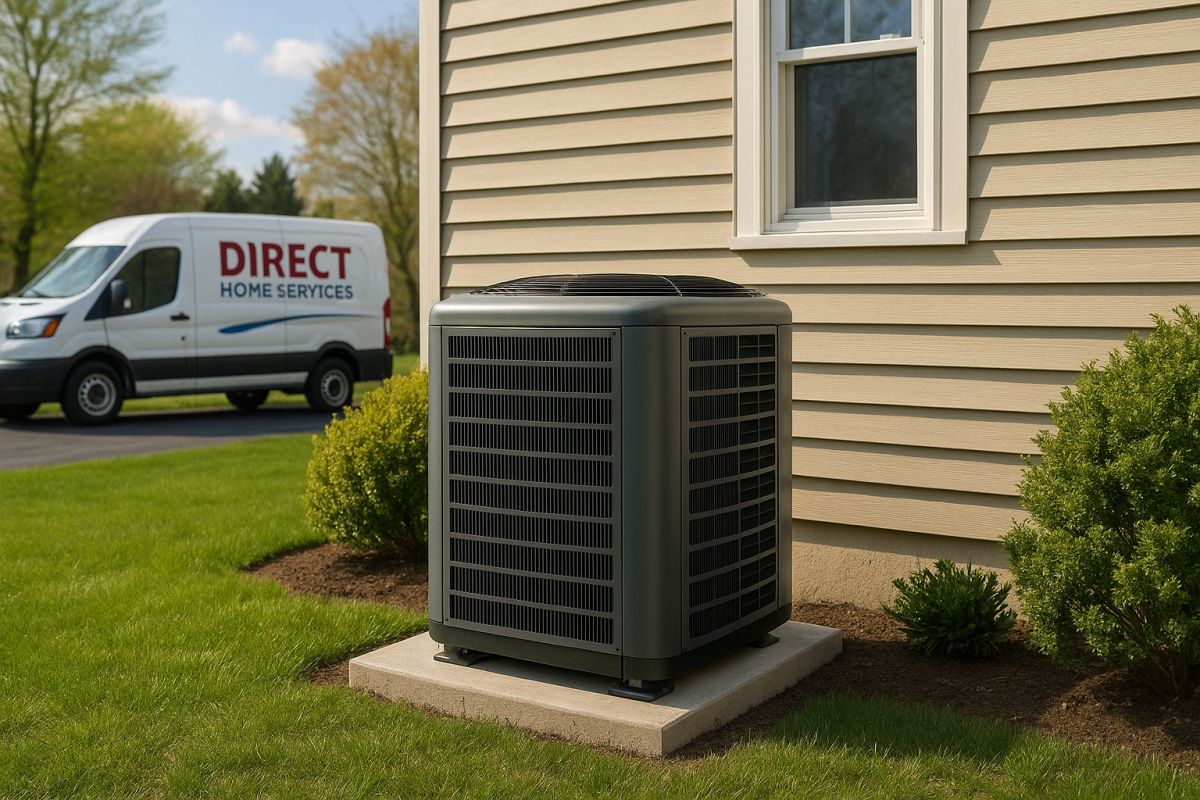
Another detail: defrost. On a damp 25°F day, the outdoor coil will collect frost and defrost more often. Good installers consider defrost strategy and outdoor placement. The unit should sit on a stand above snow height with clear drainage. Placing the outdoor unit under a roof drip edge without protection is a recipe for winter ice buildup.
What About Noise?
Cold-climate units are quiet at low speed. The outdoor sound is often a soft hum. Indoors, variable-speed air handlers are far quieter than older furnaces or air conditioners. Still, placement matters. Keep the outdoor unit away from bedroom windows and avoid hard corners that reflect sound. A simple fence panel or vegetation can deflect noise without blocking airflow.
Incentives, Rebates, and Financing
Connecticut offers strong incentives for high-efficiency heat pumps, especially cold-climate models verified by current program lists. Utility rebates often stack with federal tax credits of up to 30% of project cost, capped per system category. Program details change year to year, and income-qualified homeowners may receive higher rebates. Direct Home Services handles the paperwork for most clients and applies rebates as upfront discounts when possible, which removes hassle and shortens payback.
With rebates and credits, a typical ducted heat pump replacement for a 2,000-square-foot home can land close to or below the cost of a new oil furnace plus central AC. For ductless installations, per-zone costs vary based on the number of indoor heads and lineset complexity.
Electric Rates and Bill Shock: The Candid View
Electric rates in Connecticut are higher than the national average. A heat pump trades fuel deliveries for a bigger electric bill. This can surprise homeowners who only watch the bottom line month to month. The right way to compare is annual total energy spend across all fuels. In most oil and propane homes we service, the combined annual spend drops after a heat pump installation.
Thermostat habits matter as well. Large setbacks can trigger more resistance heat when the system tries to recover quickly. Smaller setbacks or constant setpoints keep the compressor in its efficient zone. Direct Home Services programs thermostats to avoid unnecessary strip heat runs while protecting comfort.
Common Myths, Tested in Middlefield Houses
- “Heat pumps blow cold air.” People feel this if they expect furnace-level supply temperatures. In practice, supply air is warm, just not as hot, and the room temperature stays steady. Clients report less dry air because long cycles are gentler. “They fail in freezing weather.” Cold-climate units work well into single digits. Backup heat covers rarer extremes. The issue is rarely the technology; it is poor sizing or controls. “Ductless heads ruin the look of a room.” Opinions vary. Low-profile heads and décor options exist. For those who dislike wall units, slim-duct solutions are a solid compromise. “Maintenance is a pain.” Filters and outdoor coil checks are straightforward. Many homeowners appreciate that there is no fuel tank, burner service, or chimney cleaning.
The Installation Details That Protect Winter Performance
Quality heat pump installation is not just mounting boxes. It is a set of details that add up to efficiency and reliability in Middlefield’s winters:
- Manual J load calculation and Manual S equipment selection. Guesswork leads to comfort problems. Refrigerant line sizing and nitrogen-purged brazing to protect the compressor. This is invisible to the homeowner but vital to longevity. Vacuum and charge verification under real load. The system should be weighed in, not “topped off.” Proper condensate management for both indoor and outdoor units. Frozen condensate lines can stop heat on the coldest day. Thoughtful thermostat and control settings, including backup lockouts, defrost strategy, and staging that match the home’s envelope.
Direct Home Services documents these steps and walks homeowners through the setup. That transparency prevents confusion and supports warranty coverage.
What a Heat Pump Feels Like in a Middlefield Winter
On a 35°F afternoon, the system runs on low speed with a gentle airflow. Rooms hold steady. Lights dim slightly when the defrost cycle kicks on, then it resumes normal operation. On a 10°F night, the heat pump ramps up, still quiet, and may invite backup heat for short assists. Indoor air feels consistent. Mornings are less jarring because there is no furnace roar. Summer brings another benefit: dehumidification without overcooling. Variable-speed systems wring moisture out while holding 72°F comfortably, important during July humidity spikes near Lake Beseck.
Who Should Seriously Consider Heat Pumps in Middlefield
- Homeowners heating with oil or propane who plan to stay at least five to seven years. Homes that also need air conditioning, since the heat pump replaces the AC. Houses with decent insulation and air sealing, or owners willing to improve the envelope. Families wanting even temperatures and quieter operation.
Homes with access to inexpensive natural gas might opt for dual-fuel to capture both comfort and cost control. Large, leaky homes should address insulation and air sealing alongside a new system to avoid oversizing and wasted energy.
What to Expect During a Direct Home Services Heat Pump Installation
First, a tech performs a room-by-room load calculation, inspects ducts or plans duct routes, and measures electrical capacity. The proposal specifies model numbers, capacity at 5°F, backup strategy, and expected operating costs. Install day starts with protecting floors, then setting the outdoor unit on a proper stand, routing linesets neatly in covers, and confirming pitch and drainage. Indoors, the team installs the air handler or ductless heads, seals ducts where accessible, and sets up controls. The system is evacuated, charged, and test-run through heating and cooling. The tech explains basic maintenance and thermostat use, with emphasis on winter setpoints and backup indicators. Most single-system projects finish in one to two days.
How Heat Pump Installation Impacts Home Value and Resale
Buyers value newer HVAC and low operating costs. Oil tanks and chimneys can deter some buyers because of maintenance or environmental concerns. A modern heat pump, especially one with documented cold-climate ratings and transferable warranties, reads as a smart improvement. In our experience with local agents, homes that advertise “all-electric heating and cooling” or “high-efficiency heat pump” get more showing requests, and inspection hang-ups are fewer.
Final Take: Are Heat Pumps Worth It Here?
For most Middlefield households on oil or propane, yes. A cold-climate heat pump reduces annual costs, cuts noise, and improves year-round comfort. In gas homes, a dual-fuel setup often delivers the best balance of performance and cost. The success of either choice rests on proper design, careful installation, and sensible controls.
If a homeowner wants to explore this path, the smart next step is a load calculation and a frank look at electric rates, insulation levels, and rebate options. One hour of planning prevents years of second-guessing.
Ready for a Local Quote and Design?
Direct Home Services installs and services cold-climate heat pumps across Middlefield, CT, and nearby towns. The team handles the full process: load calculations, equipment selection, rebate paperwork, clean installation, and post-install support. To talk through heat pump installation for a specific home, call or book a visit. Bring a recent fuel bill and heat pump services near me a few photos of the mechanical room and outdoor space. The team will show the numbers, map the options, and size a system that stays comfortable in January without overpaying in July.
Quick Home Prep Before a Consultation
- Note the current heating fuel and annual usage. A delivery history helps estimate savings. Check the electric panel for available space and amperage. A photo is fine. Identify rooms that run hot or cold. Those notes guide zoning choices. Confirm attic or basement access for duct or line routing. List known envelope upgrades, such as added cellulose or new windows.
Small prep steps make the visit efficient and the proposal accurate. Direct Home Services is ready to help Middlefield homeowners get the right heat pump, installed the right way, for real Connecticut winters.
Direct Home Services provides HVAC repair, replacement, and installation in Middlefield, CT. Our team serves homeowners across Hartford, Tolland, New Haven, and Middlesex counties with energy-efficient heating and cooling systems. We focus on reliable furnace service, air conditioning upgrades, and full HVAC replacements that improve comfort and lower energy use. As local specialists, we deliver dependable results and clear communication on every project. If you are searching for HVAC services near me in Middlefield or surrounding Connecticut towns, Direct Home Services is ready to help.
Direct Home Services
478 Main St
Middlefield,
CT
06455,
USA
Phone: (860) 339-6001
Website: https://directhomecanhelp.com/
Social Media: Facebook | Instagram
Map: Google Maps